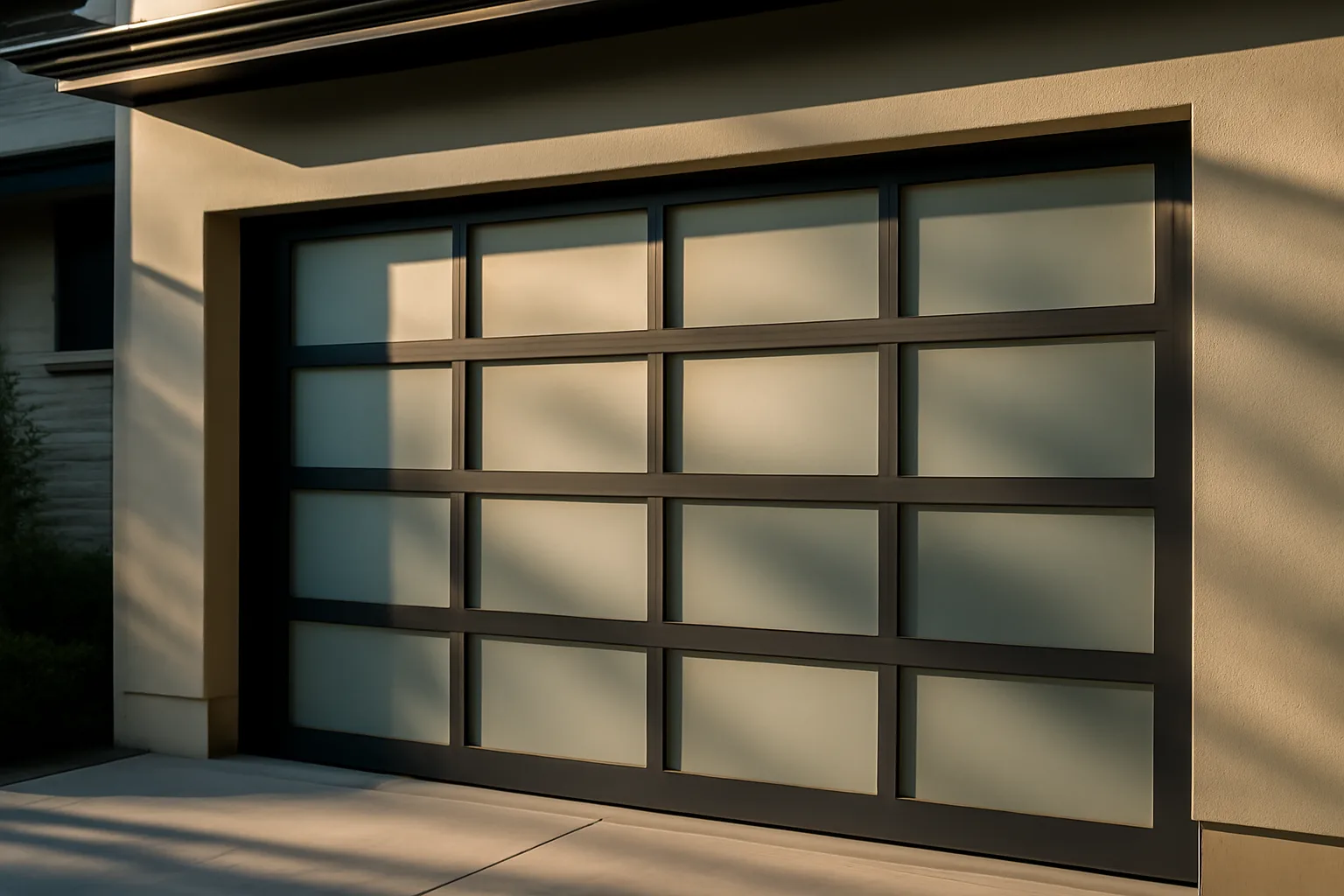
When a garage door starts acting up in Jackson, the smartest move is to read the early symptoms instead of waiting for a full breakdown. An honest repair fixes the real cause rather than quieting the symptom for a week and leaving you to call again. We service every major brand and door style, and we stand behind the work we do across Jackson. Call 732-893-4808 for fast garage door repair in Jackson, NJ.
Wall Controls and Wiring
The wall button and its low-voltage wiring are easy to overlook. A flaky wall control, a pinched wire, or a corroded terminal can mimic a failing opener. Checking the simple wiring is part of a thorough diagnosis.
Bottom Brackets and Why They Matter
The brackets at the door's lower corners anchor the lift cables and sit under real tension whenever the door is closed. They are not a homeowner adjustment — loosening one with the door down can release stored force suddenly. When a cable comes off or frays near the bottom, the bracket is part of the repair a technician handles with the door safely supported.
Balancing the Door After Replacement
A spring job is not finished until the door is balanced. With the opener disconnected the door should hold steady at any height. Correct balance protects the opener, keeps the door quiet, and is the mark of a proper installation.
Lubricating Springs the Right Way
A light coat of garage-door lubricant on the torsion coils a couple of times a year reduces friction between the windings and slows wear. Avoid heavy grease, which collects grit, and never use the lubrication moment to poke at a wound spring. Done gently and routinely, it is a small habit that meaningfully extends spring life.
The Quick Monthly Owner Check
Between professional visits, a two-minute look keeps surprises away. Watch a full open-and-close for new noises or hesitation, glance at the cables for fraying, confirm the door sits square, and test that it reverses on contact. Anything unusual is easier and cheaper to address the week it appears than the month it strands you.
Noisy Doors and What They Mean
A loud door is usually telling you something specific. Rattling often means loose hardware, squealing points to dry rollers or hinges, and a deep bang can signal a spring. Matching the sound to the cause is the first step a technician takes.
Troubleshooting a Remote That Stops Working
A remote that suddenly quits is one of the most common and most fixable garage door complaints. Start with the battery — it's the cause far more often than not — then re-program the remote to the opener using the "Learn" button on the motor unit. If the wall button still works but no remote does, the opener's antenna or logic board may be the issue. If only one of several remotes fails, it's that remote. Interference from LED bulbs or nearby electronics can also disrupt the signal. Running through these steps in order saves a Jackson homeowner an unnecessary service call for what is often a two-minute fix.
What Routine Maintenance Looks Like
Most breakdowns are preventable with a short, twice-a-year routine. Lubricate the rollers, hinges, and springs with a garage-door-specific product — never heavy grease, which attracts grit. Tighten the bolts and brackets that vibration works loose over hundreds of cycles. Wipe the tracks clean (but don't grease them). Test the door's balance by disconnecting the opener and lifting halfway; a healthy door holds its position. Check the bottom weather seal for cracks and the cables for fraying. Ten minutes each spring and fall keeps a Jackson door quiet, safe, and reliable, and it gives you a chance to spot small problems while they're still cheap to fix.
The Difference Good Installation Makes
Two identical doors can perform very differently depending on who installed them. A careful installation means the tracks are perfectly plumb and square, the spring is sized and wound to the exact door weight, the cables are seated evenly on the drums, and the opener's travel and force are dialed in. Get those right and the door glides quietly and lasts for years; get them wrong and you'll chase noises, premature wear, and balance problems for the life of the door. That's why installation isn't a place to cut corners. A Jackson homeowner investing in a new door should value precise setup as much as the door itself.
Why Doors Get Noisier Over Time
A garage door that started quiet and grew loud is telling you its parts are wearing. Metal rollers develop flat spots and grind in the track. Hinges dry out and squeak at every section. Bolts and brackets loosen under the constant vibration of hundreds of cycles, adding rattles. Springs that have lost lubrication groan as they wind. And an opener forced to fight an unbalanced door strains audibly. The good news is that most of this is reversible: lubrication, tightening, and replacing a few worn rollers usually restores near-silent operation. When a Jackson door gets loud, it's a cue for maintenance, not a sign it's beyond help.
How a Garage Door Affects Home Value
Few upgrades return as much as a new garage door. Because it can occupy a third or more of a home's street-facing facade, it heavily shapes first impressions, and remodeling surveys consistently rank door replacement among the top projects for recovered cost at resale. Beyond the numbers, a clean, quiet, well-functioning door signals to buyers that the home has been cared for, while a dented, noisy, or balky one raises doubts about everything they can't see. For Jackson homeowners thinking about selling — or just wanting their house to show well — the garage door is high-visibility, high-return real estate.
Understanding Cables and How They Fail
The lift cables are easy to overlook but do critical work, transferring the spring's force to raise the door evenly on both sides. Made of braided steel, they wear from friction, rust in humidity, and fray strand by strand until one lets go. A failing cable shows as fraying near the bottom bracket or the drum, a door that hangs crooked, or a frding sound during travel. Because cables are under tension tied to the springs, they're not a DIY fix. Catching a frayed cable early — during routine maintenance — lets a Jackson homeowner replace it on schedule instead of dealing with a door that suddenly drops on one side.
Reading the Sounds Your Door Makes
A garage door speaks in noises, and learning the vocabulary helps you catch trouble early. A rhythmic squeak usually means dry rollers or hinges that want lubrication. A grinding or scraping sound points to worn rollers or a track that's drifting out of alignment. A loud bang, often heard from inside the house, is the classic signature of a torsion spring snapping. Rattling on every cycle is typically loose nuts and bolts that vibration has worked free. A straining or humming motor that struggles to lift suggests the door is fighting its own weight — a balance or spring problem, not an opener one. When a Jackson door changes its tune, it's worth a listen.
Garage Doors and Curb Appeal
First impressions of a home are formed at the curb, and the garage door is often the single largest element in that view. A dated, faded, or dented door drags down even a well-kept house, while a clean, well-proportioned door in a color that complements the trim pulls the whole exterior together. This is why a new or refreshed garage door delivers such reliable returns — it's a large, highly visible upgrade for a moderate cost. Whether through replacement, a fresh coat of paint, or just a thorough cleaning and tune-up, improving the door noticeably lifts how a Jackson home presents to neighbors and buyers alike.
Understanding Garage Door Insulation
If your garage is attached or you use it as a workspace, insulation is worth understanding. A door's R-value measures how well it resists heat flow — the higher the number, the better it holds temperature. Polyurethane-cored doors insulate far better than hollow steel and are also stiffer and quieter. For an attached garage, an insulated door keeps the adjacent rooms more comfortable and eases the load on your heating and cooling. Even an unheated garage benefits, since the door buffers the swings that warp stored items and stress the opener. For many Jackson homes, upgrading to an insulated door pays back in comfort and lower energy bills.
Common Myths Worth Clearing Up
A few persistent myths cost homeowners money. "The opener lifts the door" — it doesn't; the springs do, and treating opener strain as an opener problem leads to needless motor replacements. "Any lubricant will do" — heavy grease and general-purpose sprays attract grit and gum up the hardware; use a garage-door product. "A noisy door is just old" — noise usually means lubrication, loose bolts, or worn rollers, all cheap to fix early. "I can replace a spring myself" — torsion springs hold dangerous stored energy and send people to the ER every year. Knowing the truth helps Jackson homeowners spend on the right things and skip the dangerous shortcuts.
Jackson Garage Door FAQs
Can a dented panel be replaced without a whole new door?
Often, yes. If the model is still available and the rest of the door is sound, a single section can be swapped. If the door is discontinued or widely damaged, full replacement may be the smarter choice.
Are smart Wi-Fi openers worth it?
If you are replacing the unit anyway, yes for most homes. Phone control, open-door alerts, and easy guest access add real convenience and security for a modest difference in price.
Will new springs make my door quieter?
Often yes, especially when worn bearings and dry parts are addressed at the same time. A correctly sized, properly tensioned spring lets the door glide instead of fighting its way up.
Explore our Jackson garage door repair, spring repair, and opener repair services, or read the blog.
